Uvily Light
An outdoor bulb rarely fails without a reason. Trapped heat, water inside the socket, a loose connection, or a bulb with the wrong wattage can create a sudden pop and scattered glass. NFPA’s Home Electrical Fires report, written by researcher Marty Ahrens, found that U.S. fire departments responded to an estimated average of 24,200 home structure fires involving electrical distribution or lighting equipment each year from 2015 through 2019. That figure covers many kinds of electrical fires—not just exploding outdoor bulbs—but it shows why small lighting faults deserve attention.
This guide explains how to prevent outdoor light bulbs from exploding, from matching the bulb to the fixture’s rating to checking seals, sockets, and signs of corrosion. A reliable expert quotation specifically about exploding outdoor bulbs could not be verified, so none is attributed here. That matters: a polished quote is not evidence. Look for a weather-rated fixture, follow its manufacturer’s instructions, and switch off power before inspecting damaged components. Small details count. A cracked gasket. A wet socket. One mismatched bulb. Even careful checks cannot guarantee a bulb will never fail, but they can reduce avoidable risks—and sometimes the overlooked detail is the one worth reconsidering.
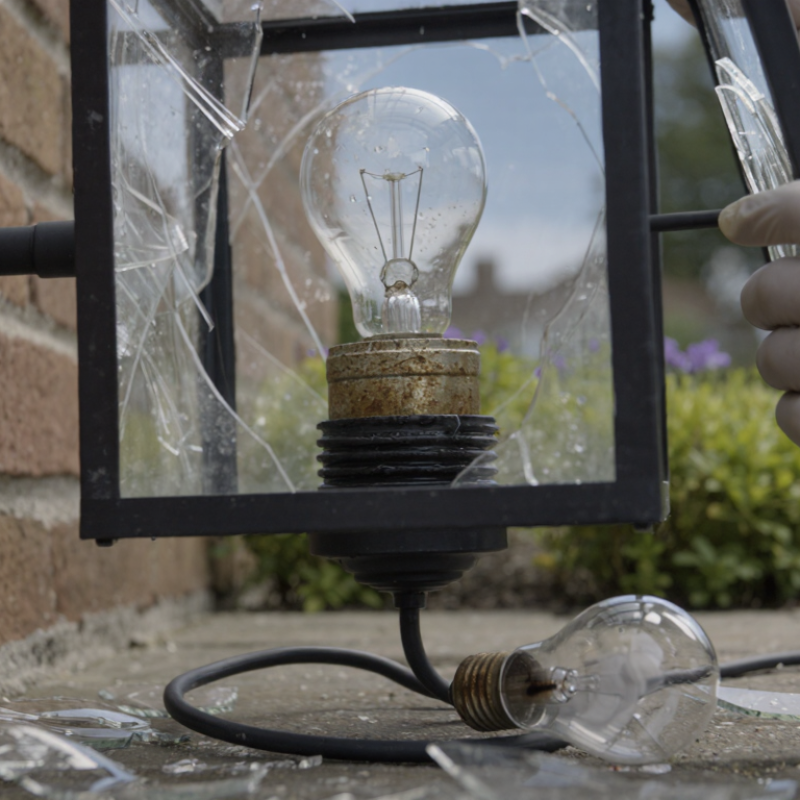
Outdoor bulbs often fail when heat, moisture, and glass stress combine. An indoor bulb in a covered porch fixture may run hotter than intended. Repeated heating and cooling can weaken the glass, especially near a small flaw. It may take months to show. Sometimes it happens on the first cold night.
Rain can seep through a cracked gasket or loose socket. Later, trapped moisture may corrode contacts or cause the bulb to flicker and fail. A sharp pop. That sound can come from a broken filament, a failed LED driver, or glass cracking under stress; it does not always mean the bulb literally exploded. Using a bulb with a wattage above the fixture’s limit adds heat, while a poor connection can create localized hot spots.
Check the fixture label and choose bulbs rated for outdoor use and for enclosed fixtures when needed. Look for cloudy glass, rust, water droplets, or a loose socket before replacing a bulb. Turn off power and let the bulb cool first. I used to blame rain alone, but heat and a worn seal can matter just as much. If failures keep recurring, have the fixture and wiring checked by a qualified electrician.
Outdoor bulbs rarely explode without a trigger. In field inspections, the commonest culprit is thermal shock: a hot bulb meets cold rain or snow. A small crack can spread rapidly, sometimes with a sharp pop. Moisture entering through a damaged seal creates another hazard. Water and electricity are poor partners. Glass may also weaken from hail, windblown grit, or repeated vibration.
Excess voltage and the wrong wattage raise internal heat. A loose socket can produce arcing, flickering, and hot contact points. Enclosed fixtures are often overlooked. If ventilation is poor, heat accumulates around the bulb and shortens its life.
Old bulbs become more fragile after years of outdoor temperature changes. I once underestimated a tiny dark mark near a socket; the fitting later showed heat damage. That mistake reinforced a simple inspection habit: look closely before replacing the bulb.
Switch off power and let the fixture cool completely. Use gloves and eye protection when removing broken glass. Do not touch a wet fitting. Check the socket, gasket, cover, and wiring for scorching, cracks, or looseness. Install a bulb matching the fixture’s rated voltage, wattage, shape, and enclosure requirements. Choose outdoor-rated equipment for exposed locations, and keep seals clean and properly seated. If breakage repeats, stop replacing bulbs and have a qualified electrician inspect the circuit. I am cautious here. Repeated failures usually deserve more than another bulb.
Outdoor light bulbs rarely explode without a cause. Environmental stress often starts the problem. Moisture is the trigger. Rain can enter through cracked seals, loose covers, or poorly fitted sockets. When water reaches hot glass, sudden cooling may create thermal shock. The bulb can crack, pop, or scatter fragments.
Heat also increases risk. Enclosed fixtures may trap temperatures above the bulb’s rated limit. Dust, insects, and blocked ventilation make this worse. Direct sunlight can heat a dark fixture before the light is switched on. Freezing weather creates another weakness, especially when condensation repeatedly forms inside the housing. A bulb that looks normal may already contain tiny cracks.
Electrical faults deserve equal attention. Loose connections can produce arcing, flickering, and localized heat around the socket. Incorrect voltage, damaged insulation, or a bulb with excessive wattage may overload the fixture. Check the socket. Turn off power at the circuit breaker before inspection, not only at the wall switch. Look for scorch marks, melted plastic, rust, or a burnt smell. Replace damaged parts with outdoor-rated equipment and match the bulb’s voltage, wattage, and enclosure requirements. Avoid forcing a bulb into a stiff or corroded socket. A quick visual check can mislead; hidden moisture or a weak connection may need testing by a qualified electrician. I would not ignore occasional flickering, even if the light still works.
Choose outdoor bulbs by the fixture’s exposure, not by brightness alone. A covered porch may need a damp-location fixture, while a lamp exposed to rain needs one marked for wet locations. Match the bulb’s shape and base to the socket, and check the fixture label for its maximum wattage. A bulb that fits can still be the wrong choice.
Look for a fixture designed for the site and a bulb approved for its enclosure. The IEC 60529 IP system describes protection against dust and water: IP65, for example, is dust-tight and resists water jets, but does not mean a fixture can be submerged. Ratings can be easy to misread, so check the manufacturer’s instructions too. Keep seals intact, and avoid fixtures with cracked lenses or corroded sockets.
Heat and sudden temperature changes matter. Use only bulbs marked for enclosed fixtures when the fixture traps heat, and never exceed its wattage limit. The U.S. Department of Energy’s LED lighting guidance says LEDs use at least 75% less energy and can last up to 25 times longer than incandescent bulbs. LEDs generally run cooler than incandescent bulbs, but their electronics still need ventilation. A hot, damaged bulb meeting rainwater may crack; replace damaged bulbs and let hot glass cool before handling.
Outdoor bulbs usually fail when heat, moisture, or physical damage weakens the glass. A hot bulb exposed to cold rain can crack from sudden temperature change. Water entering a fixture may also cause corrosion or electrical faults. The risk rises when a bulb exceeds the fixture’s wattage limit or sits in a fixture not rated for outdoor use.
Turn off power and let the bulb cool before replacing it. Check the fixture label, then choose a bulb with the correct wattage and outdoor rating. Inspect the socket, glass, and rubber gasket for cracks or wear. Keep the seal clean, and tighten the bulb gently; forcing it can damage the base. Small details matter. Never handle a bulb with wet hands, and avoid changing one during rain.
Check outdoor fixtures every few months, especially after storms. Look for loose covers, standing water, rust, or flickering. Replace damaged parts rather than relying on tape or a makeshift seal. Let it cool. If a breaker trips repeatedly, or you see scorch marks, stop using the fixture and ask a qualified electrician to inspect it. It is easy to miss a worn gasket, so a quick visual check is useful—but it cannot reveal every hidden fault.
Heat, moisture, and stressed glass can combine. A sharp pop.
Not always. Water may enter through a cracked seal or loose socket, while heat and worn parts can also contribute.
It may trap heat beyond the bulb’s rated limit. Dust, insects, and blocked vents can make conditions worse.
Look for cloudy glass, water droplets, rust, scorch marks, or melted plastic. A burnt smell is concerning, too.
Turn off power at the circuit breaker and let the bulb cool. The wall switch alone may not be enough.
Yes. A poor connection can create localized heat and arcing. I used to blame rain first, but that was too simple.
Match the fixture’s voltage and wattage limits. Choose a bulb rated for outdoor use and enclosed fixtures when required.
Ask a qualified electrician if failures keep recurring or you notice flickering, corrosion, or damaged wiring. A quick glance can miss hidden faults.
Outdoor light bulbs can fail when heat, moisture, vibration, or sudden temperature changes put stress on the glass and internal components. Electrical problems, such as an incompatible bulb, a loose connection, or voltage fluctuations, can add to the risk. Enclosed fixtures may trap heat, while outdoor exposure can let water reach parts that are not designed to withstand it. Understanding these factors helps explain why bulbs may crack, shatter, or stop working unexpectedly.
To learn how to prevent outdoor light bulbs from exploding, choose bulbs and fixtures rated for outdoor use and make sure they are compatible with each other and with the supply voltage. Install bulbs securely, but avoid overtightening them, and keep the power off during installation or maintenance. Check fixtures and sockets periodically for moisture, corrosion, damage, or loose connections, and replace worn components promptly. Allow hot bulbs to cool before handling them, and select weather-resistant, properly ventilated fixtures suited to the installation location.
