 Uvily Light
Uvily Light
Uvily Light
Lighting choices often look simple on a plan, yet they change how a room feels and functions. A narrow beam can isolate a product, performer, or architectural detail. A broad beam can soften walls, reduce harsh shadows, and create visual comfort. In practical installations, I have seen a small spotlight make a framed painting vivid, while a poorly aimed wash light flattened the entire display. These results depend on beam angle, distance, lumen output, color temperature, and surface texture. They also depend on the viewer’s position. A fixture that looks balanced from the control desk may glare at eye level. That detail is easy to miss.
If you are asking “what is the difference between spot and wash lighting”, the clearest answer begins with beam control. Spot lighting concentrates light into a tighter area. Wash lighting spreads light across a wider surface. The distinction sounds obvious. It is not always clean. Modern LED fixtures can zoom, shape, blend, and overlap both effects. A narrow wash may resemble a soft spot, while a wide spot may cover a small wall. This guide examines beam spread, intensity, shadow behavior, color mixing, energy use, and placement. It also considers retail shelves, galleries, stages, restaurants, and outdoor façades. Good lighting is not merely bright lighting. It supports attention, mood, safety, and accurate color perception. Still, no fixture solves every problem. Room geometry, maintenance access, budget, and user comfort can change the best choice. Testing one fixture on site is often wiser than trusting a catalog image. Sometimes, the first plan needs revision.
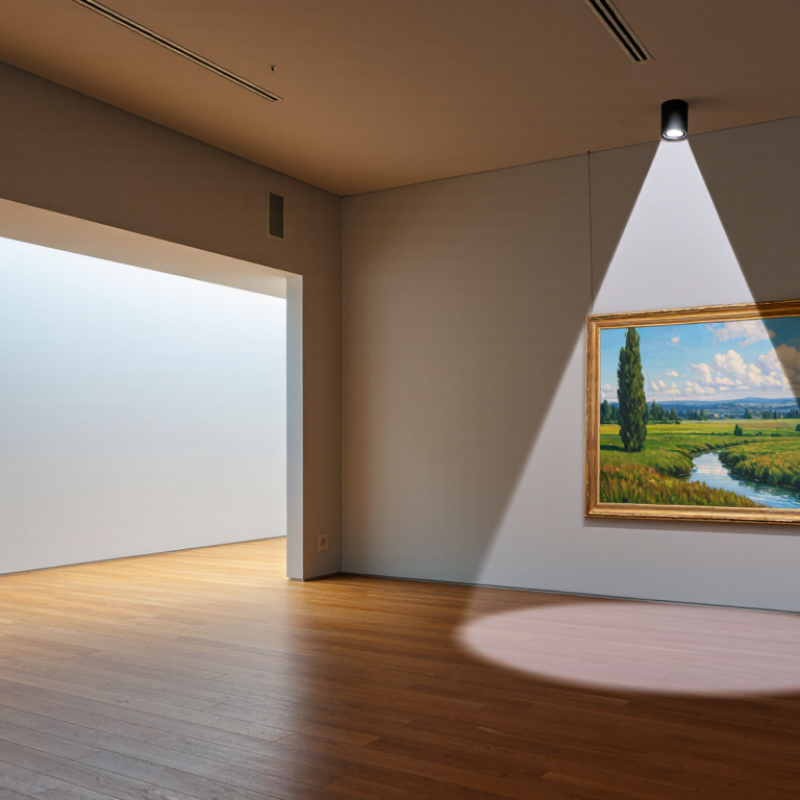
Spot lighting and wash lighting are two basic tools for shaping a stage, room, or display. Spot lighting produces a narrow, focused beam. It isolates a performer, product, doorway, or architectural detail. The sharp pool of light can create depth and visual priority. In small venues, I have seen a spot reveal facial expressions clearly from several metres away. Its success depends on accurate aiming, beam angle, brightness, and distance. A poorly aimed spot can leave half a face dark.
Wash lighting spreads light across a wider area. It creates an even layer of color or brightness instead of highlighting one small object. Designers often use washes for backgrounds, walls, exhibition areas, and general visibility. The effect feels softer and more continuous. However, “even” does not mean perfect. Uneven spacing can cause bright patches, shadows, or unwanted color shifts. I once underestimated a pale wall’s reflectiveness, and the room became brighter than planned.
Tips: Test both fixtures in the real space. Check the beam on faces, floors, and reflective surfaces. Use a spot when attention must feel precise. Choose a wash when people need broad visibility. Leave extra time for focusing. Lighting changes after installation. Measure viewing angles, then adjust by eye. A light meter can confirm consistency, but human comfort still matters. Sometimes the technically correct setting feels wrong.
| Comparison Dimension | Spot Lighting | Wash Lighting |
|---|---|---|
| Primary purpose | Highlights a specific subject, object, performer, or architectural feature. | Provides broad, even illumination across an area, backdrop, stage, or room. |
| Beam spread | Narrow and concentrated, commonly about 5°–30°, depending on the fixture and lens. | Wide and dispersed, commonly about 30°–120° or more. |
| Light distribution | Focused distribution with a defined center beam and, in some fixtures, a controlled edge. | Wide distribution designed to overlap and create consistent coverage. |
| Edge definition | May have sharp, soft, or adjustable edges for outlining or isolating a subject. | Usually has soft edges to reduce visible boundaries between adjacent beams. |
| Typical visual effect | Creates emphasis, contrast, depth, shadows, and visual hierarchy. | Creates an even background, ambient color, atmosphere, or general visibility. |
| Common fixture types | Profile fixtures, ellipsoidal reflectors, pin spots, narrow-beam projectors, and tightly focused moving lights. | Fresnels, PAR fixtures with wide lenses, cyc lights, floodlights, and wide-angle moving lights. |
| Beam control | Often supports shutters, framing, gobos, iris control, focus adjustment, or interchangeable lenses. | Usually relies on wide lenses, diffusion, reflectors, or fixture spacing rather than precise framing. |
| Best suited for | Key lighting, product accents, artwork, presenters, performers, signs, entrances, and architectural details. | Stage backgrounds, walls, exhibition spaces, dance floors, large work areas, and general environmental lighting. |
| Coverage area | Small to medium area with higher intensity on the selected target. | Medium to large area with more uniform illumination and lower intensity per square metre at the same output. |
| Shadow and contrast | More likely to produce noticeable shadows and stronger contrast. | Generally reduces contrast when used as broad, frontal, or overlapping illumination. |
| Color application | Useful for coloring or isolating a particular subject or visual detail. | Useful for coloring a broad surface or creating an overall mood across a space. |
| Positioning considerations | Placement and aiming must be precise to keep the beam on the intended target. | Fixtures are often arranged in rows or overlapping zones to avoid dark gaps. |
| Energy and fixture count | Can use fewer fixtures when only selected subjects require strong illumination. | May require multiple fixtures to cover a large area evenly, although efficient LED fixtures can reduce energy use. |
| Main limitation | Can create harsh shadows, hot spots, or distracting spill if it is poorly aimed or focused. | Provides less selective emphasis and can appear flat without additional directional lighting. |
| Best practice | Use for emphasis and direction; adjust focus, angle, intensity, and color to control the subject. | Use for base illumination; overlap beams carefully and combine with spot lighting when emphasis is needed. |
Note: Beam-angle ranges are general lighting-industry guidelines. Actual coverage depends on the fixture optics, mounting height, distance, lens, dimming level, and surrounding surfaces.
Spot lighting creates a narrow beam for a person, product, doorway, or architectural detail. It directs attention precisely. A poorly aimed beam may leave half a face dark.
Wash lighting spreads brightness across walls, stages, rooms, or display areas. It provides broad visibility with softer contrast. The result can feel open and continuous.
Spot lighting concentrates brightness in a small area. Wash lighting covers a wider surface with gentler illumination. Spot lighting feels dramatic. Wash lighting feels balanced.
A narrow beam creates precise focus and stronger intensity at the target. A wider beam softens the edge and covers more space. Six degrees feels very exact.
Aim it from above and slightly across the subject. This can reveal facial features and surface depth. Check the beam from several viewing positions.
Yes. Polished glass, screens, and pale walls can reflect unexpected brightness. Reflections may cause glare near entrances or audience areas. I once underestimated a pale wall.
Space fixtures evenly and allow overlapping coverage. Check for bright patches, dark gaps, and color shifts. One brighter fixture is not always better.
Test the actual space with surrounding lights switched on. Night testing often reveals glare, weak coverage, and distracting shadows. The sample room may mislead you.
Often, yes. A greater distance can soften coverage and reduce a harsh center. However, brightness decreases as distance increases. This trade-off is easy to underestimate.
No. A light meter can confirm consistency, but people may still feel glare or discomfort. View the result from audience height and normal walking positions. Human judgment still matters.
What is the difference between spot and wash lighting? Spot lighting produces a narrow, focused beam that directs attention toward a specific subject, area, or detail. Its controlled beam direction and concentrated intensity make it useful for highlighting performers, artwork, architectural features, or important objects. By adjusting the angle and focus, spot lighting can create sharper shadows and stronger visual contrast.
Wash lighting, in contrast, spreads light across a wider area to create broad, even illumination. It is designed to reduce harsh contrasts and provide consistent coverage for stages, rooms, displays, or outdoor spaces. The main differences between the two are their coverage, intensity, and visual effect: spot lighting emphasizes precision and focus, while wash lighting supports overall visibility and atmosphere. The best choice depends on the intended use, the size of the area, and whether the goal is to highlight a particular subject or create balanced lighting throughout a space.
