How to Fix Landscape Light Transformer Issues Effectively?

Time:2026-09-05 Author:Sophia
0%

In the world of outdoor lighting, landscape light transformers play a crucial role in ensuring safety and functionality. A report by the American Lighting Association highlights that nearly 30% of landscape lighting issues stem from transformer malfunctions. Many homeowners find themselves asking how to troubleshoot a transformer for landscape lights, as failing transformers often lead to flickering lights and irregular performance. Understanding these devices is key for effective solutions.

Identifying the root causes of transformer problems requires a blend of technical know-how and practical experience. Often, issues arise from improper voltage settings or faulty wiring. Engaging with expert resources can illuminate the challenges faced in landscape lighting systems. Reports indicate that about 25% of landscape professionals encounter recurring transformer issues, suggesting that common mistakes can lead to ongoing frustrations.

Transformers are not infallible; they can exhibit vulnerabilities based on environmental factors. Weather exposure, for instance, can degrade components over time. This underscores the importance of routine checks. Without regular maintenance, even the best transformers may falter, affecting their longevity and reliability. Recognizing and understanding these imperfections can guide users in making informed adjustments and repairs, ultimately enhancing their landscape lighting experience.
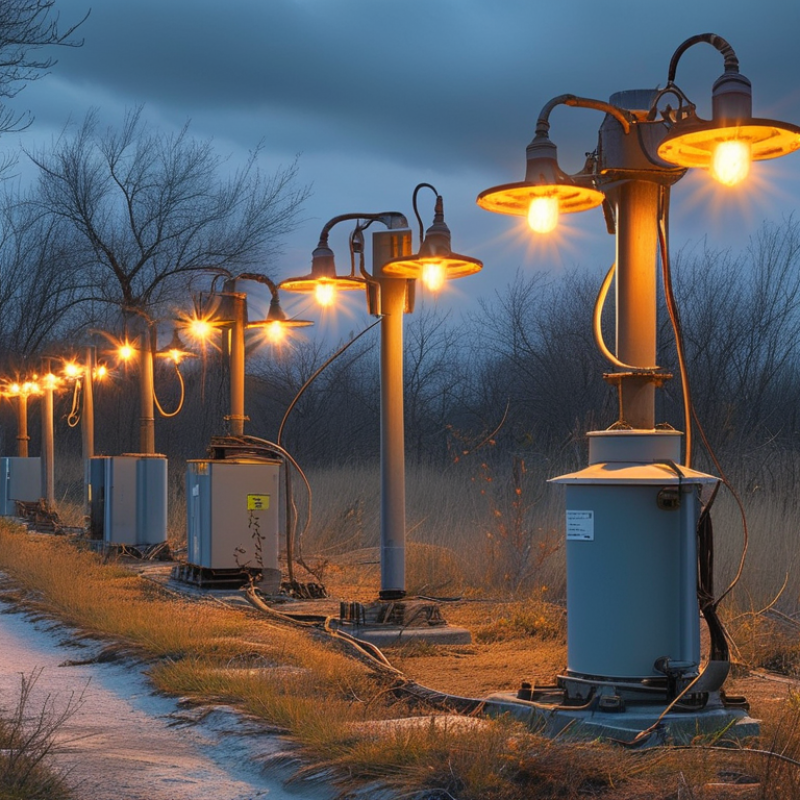
How to Fix Landscape Light Transformer Issues Effectively?

Identifying Common Landscape Light Transformer Problems

When dealing with landscape light transformers, it’s crucial to identify common problems. One frequent issue is power failure. Sometimes, the transformer simply won’t power on. This often results from wiring problems. Checking connections is the first step. Loose or frayed wires can interrupt the flow of electricity.

Another common problem is flickering lights. This can indicate a poor electrical connection. Sometimes it’s caused by a faulty transformer. This issue may lead to more significant electrical problems if not resolved. It's essential to inspect both the transformer and the connected fixtures. Evaluating the entire system helps in finding hidden issues.

Finally, overheating is a common concern. If the transformer feels excessively hot, it could signal an overload. This issue can arise from using too many lights or incompatible bulbs. Make sure to check the transformer’s rating against your lighting setup. Regularly examining these aspects ensures a longer lifespan for your landscape lighting system. Reflecting on these common challenges can lead to more effective prevention and maintenance strategies.

How to Fix Landscape Light Transformer Issues Effectively? - Identifying Common Landscape Light Transformer Problems

Issue Symptoms Possible Causes Solutions
Transformer Not Working No lights turning on Power outage, blown fuse, internal failure Check power supply, replace fuse, test transformer
Flickering Lights Lights flicker on and off Loose connections, low voltage Inspect and tighten connections, check voltage
Overheating Transformer hot to touch Excessive load, poor ventilation Reduce load, ensure proper ventilation
Inconsistent Brightness Some lights dimmer than others Voltage drop, long wire runs Shorten wire runs, use thicker wire
Transformer Making Noise Buzzing or humming sound Vibration, loose parts Secure loose parts, consider replacing transformer

Tools Required for Troubleshooting Transformer Issues

When tackling transformer issues for landscape lighting, having the right tools is crucial. A multimeter is essential for checking voltage levels and ensuring power flow. Use a wire stripper to prepare connections properly. Additionally, a screwdriver set helps access and tighten terminals. A flashlight is invaluable for examining dark areas around installations.

Another tool worth considering is a continuity tester. It confirms that electricity flows through the circuit without interruption. A pair of insulated gloves can prevent accidental shocks while you work. Ensure you have electrical tape on hand to insulate any exposed wires after repairs. These tools transform troubleshooting from a daunting task into a manageable project.

Reflecting on tool usage, you might find your skills evolve as you troubleshoot. Sometimes, learning to identify issues takes practice. Experimenting with different tools enables a deeper understanding of the transformer’s functionality. Regular maintenance checks can also help prevent problems before they escalate.

Step-by-Step Guide to Repairing Landscape Light Transformers

Landscape light transformers can sometimes present frustrating issues. Understanding how to troubleshoot them effectively is key for any outdoor lighting system. A common problem is the lack of power. Check if the transformer is plugged in securely. Inspect the unit for any signs of damage or corrosion. Conduct a test with a multimeter to ensure voltage output is within the required range.

Another typical issue involves faulty connections. Over time, connectors can wear out or become loose. Make sure all wire connections are tight and free from moisture. If you find damaged wires, consider replacing them before proceeding. Remember, water exposure can lead to serious issues, so keep everything dry and clean.

If the transformer buzzes or hums loudly, it may be overheating. This could indicate that the unit is overworked or not ventilated properly. Try to reduce the load by limiting the number of lights connected. If problems persist, it may be time to consult a professional for deeper inspection. Each step provides opportunities to learn about the system you maintain. Balancing power, connections, and maintenance is essential for a well-functioning landscape lighting system.

Preventive Measures to Extend Transformer Lifespan

To extend the lifespan of your landscape light transformer, preventive measures are crucial. Regular maintenance plays a significant role. Check the transformer for signs of wear or corrosion. Keeping connections clean can prevent voltage drops. Moisture can damage electrical components, so ensure the housing is sealed properly.

It’s beneficial to schedule periodic inspections. This proactive approach allows for early detection of potential issues. Look for frayed wires or loose connections. A quick fix now can avoid future headaches.

Consider the location of your transformer. Installing it in a sheltered area can protect it from the elements. If you notice irregular performance, replacing aging components may be necessary. It’s easy to overlook small problems until they escalate. Stay vigilant and attentive to your system’s needs.

When to Consider Replacing Your Landscape Light Transformer

When dealing with landscape light transformer issues, understanding when to replace the transformer is crucial. A transformer usually lasts several years, but signs of failure can emerge. If your lights flicker or remain off, it may indicate a transformer problem. You might notice unusual noises or heat coming from the unit. These are clear signals that something is not right.

Before making any decisions, consider the age of your transformer. If it is over ten years old and showing multiple issues, replacement is worth considering. Sometimes, a simple repair might suffice. However, frequent breakdowns can lead to higher costs in the long run. Consult a professional electrician for a thorough assessment. They can provide insights on whether repair or replacement is a better option.

Check the wiring and connections as well. Damaged or frayed wires can cause similar symptoms. Evaluate if your landscape lighting needs have changed. An outdated transformer might not handle new lighting features efficiently. If your landscape has evolved, it’s wise to think about upgrading your transformer to meet those needs. Making these assessments can help ensure that your outdoor lighting remains effective and visually appealing.

FAQS

: What should I do if my landscape light transformer won't power on?

: Check the connections for loose or frayed wires. Ensure it is plugged in securely.

Why are my landscape lights flickering?

Flickering can indicate a poor electrical connection or a faulty transformer. Inspect both thoroughly.

What might cause my transformer to overheat?

Overheating may be due to using too many lights or incompatible bulbs. Check the transformer’s rating.

How do I know if I should replace my transformer?

If the transformer is over ten years old and has multiple issues, consider replacing it.

What should I inspect if my transformer is buzzing?

A buzzing transformer may be overheating. Check for proper ventilation and reduce the number of connected lights.

How often should I check my landscape light transformer?

Regular inspections are important. Look for signs of damage and ensure connections are tight and dry.

Can damaged wires affect my landscape lighting?

Yes, frayed or damaged wires can cause flickering or power loss. Always replace them if found.

Why is keeping everything dry important?

Water exposure can lead to serious electrical issues. Ensure all connections remain moisture-free.

What if I have changed my landscape lighting features?

Upgrading to a newer transformer may be necessary to accommodate increased demands from new lighting.

How can I learn more about maintaining my landscape lighting system?

Each troubleshooting step provides valuable insights into your lighting system's needs and maintenance strategies.

Conclusion

This article provides a comprehensive guide on how to troubleshoot a transformer for landscape lights, focusing on common issues and effective solutions. It begins by identifying prevalent problems, such as insufficient power output and wiring faults. The necessary tools for troubleshooting are outlined, ensuring you're well-equipped to tackle these issues.

The article then offers a step-by-step guide to repairing landscape light transformers, detailing the processes involved in diagnosing and fixing problems. Additionally, it emphasizes preventive measures to extend the lifespan of your transformer, helping to avoid future issues. Lastly, it discusses when it might be appropriate to consider replacing your transformer, ensuring that you maintain a well-functioning landscape lighting system.

Sophia

Sophia

Sophia is a dedicated marketing professional with an exceptional depth of knowledge about her company's products and services. With a keen understanding of market trends and customer needs, she crafts insightful blog posts that not only inform but also engage readers, enriching the company’s online......