 Uvily Light
Uvily Light
Uvily Light
Choosing the right color temperature for outdoor lighting can significantly enhance any space. Experts like Michael Kahn, a prominent lighting designer, emphasize the importance of this choice. He once stated, “The right color temperature brings warmth and safety to outdoor spaces.” But what is the best color temperature for outdoor lighting?
When considering outdoor lighting, various factors come into play. The ambiance, functionality, and the purpose of the space help define the ideal color temperature. Warmer tones, such as 2700K to 3000K, are often best for residential areas. They create a cozy environment. Cooler temperatures, around 4000K or higher, are suitable for task-oriented areas like parking lots. However, personal preference varies widely. Individuals may find different colors appealing for different settings.
It is essential to think about how lighting affects perception and mood. Poor choices can lead to discomfort or even confusion in outdoor spaces. Reflecting on your needs and the overall vibe is key. As such, understanding what is the best color temperature for outdoor lighting is not just a technical question; it is about creating the right atmosphere.
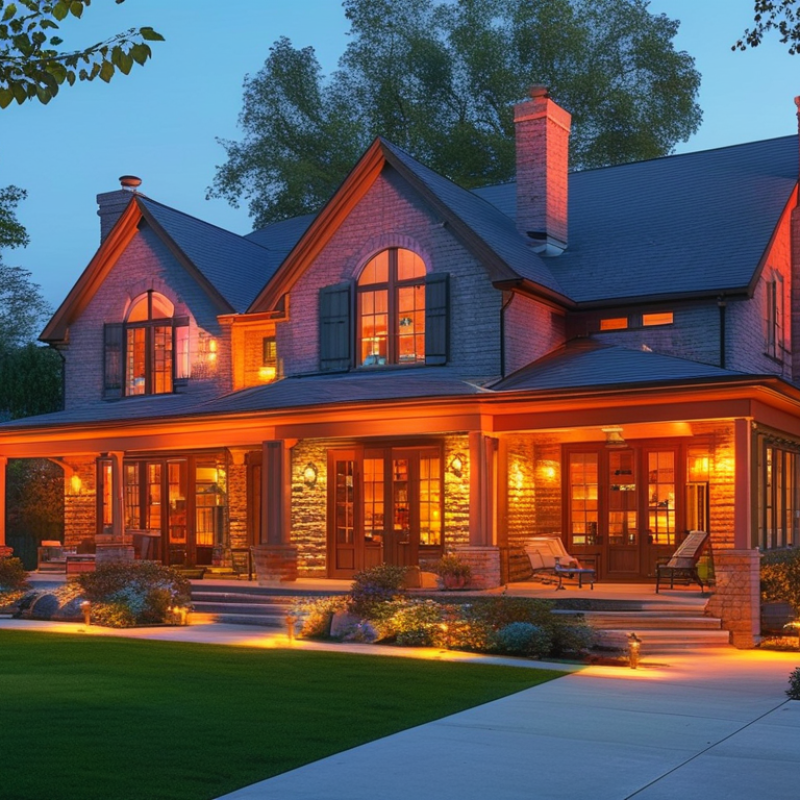
Understanding color temperature is essential for effective outdoor lighting. Color temperature is measured in Kelvin (K) and reflects the warmth or coolness of a light source. A higher Kelvin value indicates cooler light, often perceived as more alert and vibrant. Conversely, a lower value produces warmer light, creating a cozy and inviting atmosphere. The American National Standards Institute (ANSI) notes that common outdoor lighting ranges from 3000K to 6500K, influencing both safety and aesthetics.
Cool white light (5000K to 6500K) is ideal for security purposes, as it enhances visibility. It can deter crime and increase awareness in parking lots and public spaces. In contrast, warmer light (2700K to 3000K) is preferable for residential settings, enhancing outdoor gatherings. However, research from the Lighting Research Center indicates that excessive warm light can lead to glare, compromising visibility. Properly balancing these temperatures can create a harmonious outdoor environment.
Choosing the right color temperature also involves recognizing the surrounding elements. For example, cooler lights can wash out natural colors, while warmer lights may look unnatural in certain environments. It's important to assess the landscape, architecture, and intended use. Adjusting your approach based on trial and feedback can lead to more effective and satisfying outdoor lighting choices.
| Color Temperature (Kelvin) | Description | Best Use Cases | Visual Impact |
|---|---|---|---|
| 2700K - 3000K | Warm White | Residential Areas, Pathways | Cozy and Inviting |
| 3500K - 4100K | Neutral White | Parks, Commercial Areas | Balanced and Natural |
| 5000K - 6000K | Cool White | Streets, Security Lighting | Bright and Alert |
| 6500K - 7000K | Daylight | Sports Fields, Work Areas | Very Bright and Crisp |
: Color temperature indicates the warmth or coolness of a light source, measured in Kelvin (K).
A higher Kelvin value means cooler light, which appears more vibrant. A lower value produces warmer light that feels inviting.
Common outdoor lighting ranges from 3000K to 6500K, impacting safety and aesthetics.
Cool white light (5000K to 6500K) enhances visibility and is ideal for security purposes.
Warmer light (2700K to 3000K) is better for outdoor gatherings, creating a comfortable atmosphere.
Excessive warm light might create glare, reducing visibility in certain situations.
Assess the landscape and architecture; cooler lights may wash out colors, while warmer lights can look unnatural.
Warmer temperatures (2700K-3000K) create a cozy atmosphere, enhancing relaxation and social interactions.
Consider activity type; warmer light reduces eye strain for reading outdoors at night.
Evaluate existing fixtures and balance brightness with color temperature to avoid glare and improve comfort.
When considering outdoor lighting, understanding color temperature is crucial. The color temperature, measured in Kelvins, affects not only the ambiance of outdoor spaces but also the functionality for different activities. For instance, warmer tones (2700K-3000K) are often recommended for relaxing areas, while cooler tones (4000K-5000K) enhance visibility for tasks and improve safety and security features in outdoor settings.
So, what is the best color temperature for outdoor lighting? It ultimately depends on the specific needs of the area and activities being conducted. Additionally, it's important to balance color temperature with lumens and watts to achieve energy efficiency without compromising the quality of light. By thoughtfully selecting the right color temperature, outdoor environments can be both aesthetically pleasing and effective for their intended purposes.
